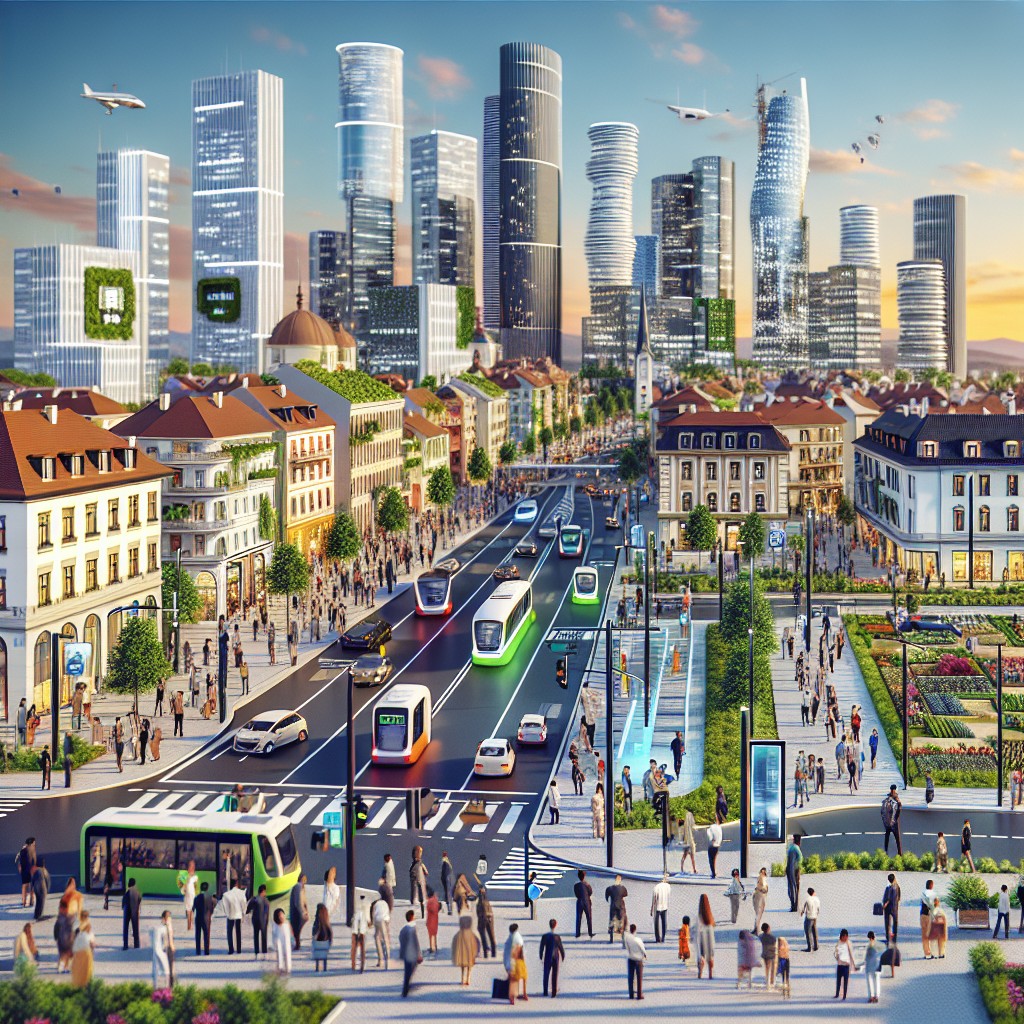
Romania is actively embracing technological innovation to transform its urban environments into more efficient and sustainable spaces. The development of smart cities is a priority for several Romanian municipalities aiming to improve daily life through strategic digital upgrades. These initiatives focus on enhancing public services, mobility, and infrastructure, directly impacting citizens’ wellbeing.
Urban Mobility Improvements
One of the most significant areas of focus in Romanian smart cities is urban mobility. Cities like Cluj-Napoca and Bucharest have rolled out intelligent traffic management systems that optimize signal timing to reduce congestion during peak hours. Public transportation is also being upgraded with real-time tracking and contactless payment options, providing residents with more convenient and reliable options. These enhancements contribute to less traffic, lower emissions, and more efficient commuting.
Energy Efficiency and Sustainability
Energy management is a crucial component of smart city development in Romania. Several cities are installing smart meters and sensors to monitor consumption in real time, enabling more effective energy distribution and reducing waste. In addition, renewable energy sources are increasingly integrated into the urban infrastructure. For example, solar-powered street lighting and energy-saving buildings are becoming more common, reflecting a commitment to sustainability and environmental responsibility.
Public Safety and Security Enhancements
Smart cities in Romania are also advancing public safety through the deployment of surveillance cameras connected to centralized monitoring centers. These systems are equipped with AI capabilities to detect unusual activities and speed up response times. Additionally, smart street lighting that adjusts based on pedestrian movement helps improve visibility and safety during night hours. These upgrades not only increase security but also foster a greater sense of community trust.
Digital Public Services
Improving access to public services is a core goal of smart city initiatives. Many Romanian cities have introduced online platforms that allow residents to access administrative services remotely, such as paying taxes, registering for local events, or reporting infrastructure issues. This digital shift reduces bureaucracy and makes it easier for citizens to interact with local authorities. Furthermore, some local governments implement mobile apps that aggregate city information and provide alerts on public transport, weather, or emergencies.
Data-Driven Urban Planning
Romanian municipalities are increasingly relying on data analytics to inform urban planning decisions. Through sensors and connected devices, cities gather valuable information on traffic flows, air quality, and public space usage. This data enables authorities to design more effective policies and prioritize investments where they have the most impact. The data-centric approach ensures that urban development aligns with the real needs of inhabitants, promoting smarter and more resilient communities.
The progress of smart cities in Romania showcases the country’s commitment to leveraging technology to enhance urban living. While challenges remain, particularly in terms of funding and infrastructure integration, the ongoing projects highlight practical upgrades that directly improve residents’ daily experiences. Continued investment and collaboration between public and private sectors are expected to drive further advancements in the coming years.
Frequently Asked Questions about smart cities
What are smart cities and how do they affect daily life in Romania?
Smart cities are urban areas that use digital technology and data to improve infrastructure, services, and overall quality of life. In Romania, these developments help make transportation smoother, enhance public safety, and provide easier access to public services, directly benefiting citizens every day.
Which Romanian cities are leading in smart cities initiatives?
Cluj-Napoca, Bucharest, and Timisoara are among the key cities in Romania implementing smart cities strategies, focusing on mobility, energy efficiency, and digital public services to modernize urban living.
How do smart cities improve transportation in Romanian urban areas?
Smart cities improve transportation by using intelligent traffic systems, real-time public transport tracking, and contactless payments. These upgrades reduce congestion, increase reliability, and make commuting more convenient for residents.
Are smart cities in Romania focusing on sustainability?
Yes, many smart city projects in Romania emphasize sustainability by incorporating energy-efficient infrastructure, smart meters, and renewable energy sources to decrease environmental impact and promote sustainable urban development.
What role does data play in Romanian smart cities?
Data is central to Romanian smart cities as it informs decision-making and urban planning. Sensors and connected devices collect information on traffic, air quality, and service usage, allowing cities to tailor improvements to the actual needs of their communities.