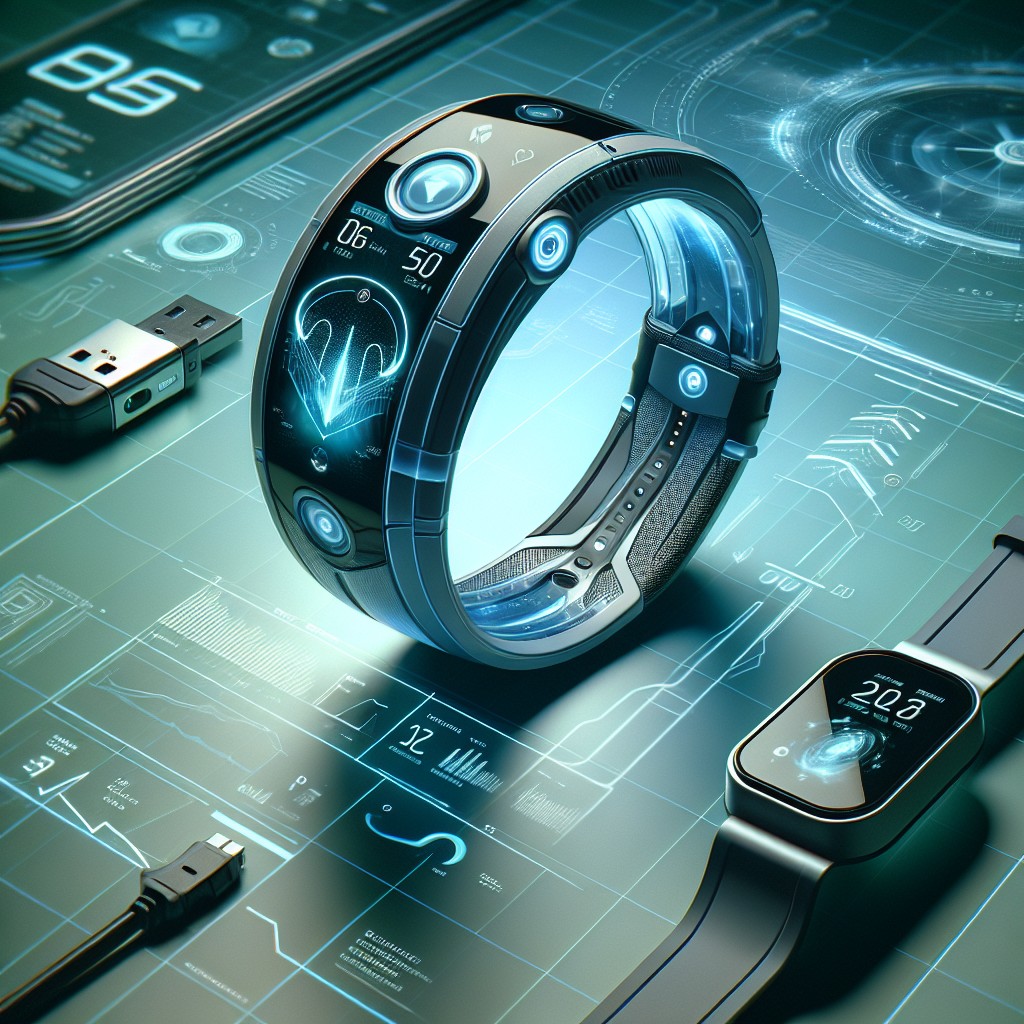
As health technology evolves rapidly, the accuracy of health wearables continues to attract significant attention. In 2026, advancements have addressed several previous limitations, yet some persistent challenges remain. This article explores areas where health wearables have improved in precision and aspects that still lag behind.
Improved Heart Rate Monitoring and Continuous Data Collection
Recent developments in sensor technology have notably enhanced the accuracy of heart rate monitoring in health wearables. Optical sensors combined with advanced algorithms have enabled these devices to produce more consistent and reliable readings, even during vigorous physical activities. Continuous data collection capabilities also improved, offering real-time monitoring that supports better health management and early detection of irregularities.
Refinements in Sleep Tracking Accuracy
Sleep tracking features of health wearables have undergone substantial refinement. Enhanced motion sensors along with improved data analysis methods now allow wearables to distinguish between different sleep stages more accurately. Validation studies published in reputable journals confirm that many devices can approximate sleep duration and quality close to clinical polysomnography, though some devices still show variability depending on user behavior.
Persistent Limitations in Blood Pressure Measurement
Blood pressure monitoring remains one of the more challenging metrics for health wearables. While cuffless technologies provide convenience, their accuracy has not reached parity with traditional sphygmomanometers. Fluctuations due to individual physiology and environmental factors continue to cause inconsistent results. Healthcare professionals recommend continued use of standard devices for accurate blood pressure assessments despite wearable advancements.
Challenges in Glucose Monitoring Technologies
Non-invasive glucose monitoring is a highly sought feature in health wearables, especially among diabetic patients. Although companies have introduced devices claiming to measure glucose levels through optical sensors or sweat analysis, these methods currently lack the precision required for medical decision-making. Ongoing research aims to improve sensor sensitivity and calibration in this domain, but as of 2026, the accuracy of glucose measurements in wearables remains insufficient for clinical use.
Integration with Healthcare Systems and Data Privacy
Another critical aspect of health wearables is their integration with healthcare systems. Improvements in software interoperability have allowed better synchronization of wearable data with electronic health records, facilitating more comprehensive patient monitoring. However, data privacy and security concerns persist, necessitating robust safeguards. Users and providers alike remain cautious about data handling practices, which impacts the widespread adoption of wearable technologies in clinical settings.
Health wearables represent a dynamic field that continues to balance innovation with practical limitations. Enhanced accuracy in heart rate and sleep tracking marks key progress, while obstacles in blood pressure and glucose monitoring demonstrate areas needing further development. The focus on better healthcare integration and privacy protections also shapes the trajectory of wearable health technology. As these devices become more sophisticated by 2026, they are expected to play a crucial role in personalized health management, provided their accuracy and reliability continue to advance.
For more information on the evolving landscape of health wearables, authoritative sources provide ongoing insights. Likewise, industry standards and recommendations are available through institutions such as the U.S. Food and Drug Administration, which monitors the regulatory aspects of these devices.
Frequently Asked Questions about health wearables
How accurate are health wearables for heart rate monitoring in 2026?
Health wearables have significantly improved in heart rate accuracy due to advanced sensors and better algorithms, providing reliable measurements even during physical activity.
Can health wearables currently provide precise blood pressure readings?
No, despite advances, cuffless blood pressure measurements in health wearables still do not match the accuracy of standard medical devices and should not replace them.
Are non-invasive glucose sensors in health wearables reliable enough for medical use?
As of 2026, non-invasive glucose monitoring through health wearables is not sufficiently accurate for clinical decisions and needs further research and development.
How well do health wearables track sleep patterns today?
Sleep tracking by health wearables has improved, enabling more accurate differentiation of sleep stages, although results may vary depending on device and user habits.
What are the main privacy concerns regarding data from health wearables?
Data privacy remains a key concern with health wearables as they collect sensitive health information, highlighting the need for strong security measures and user control over data sharing.